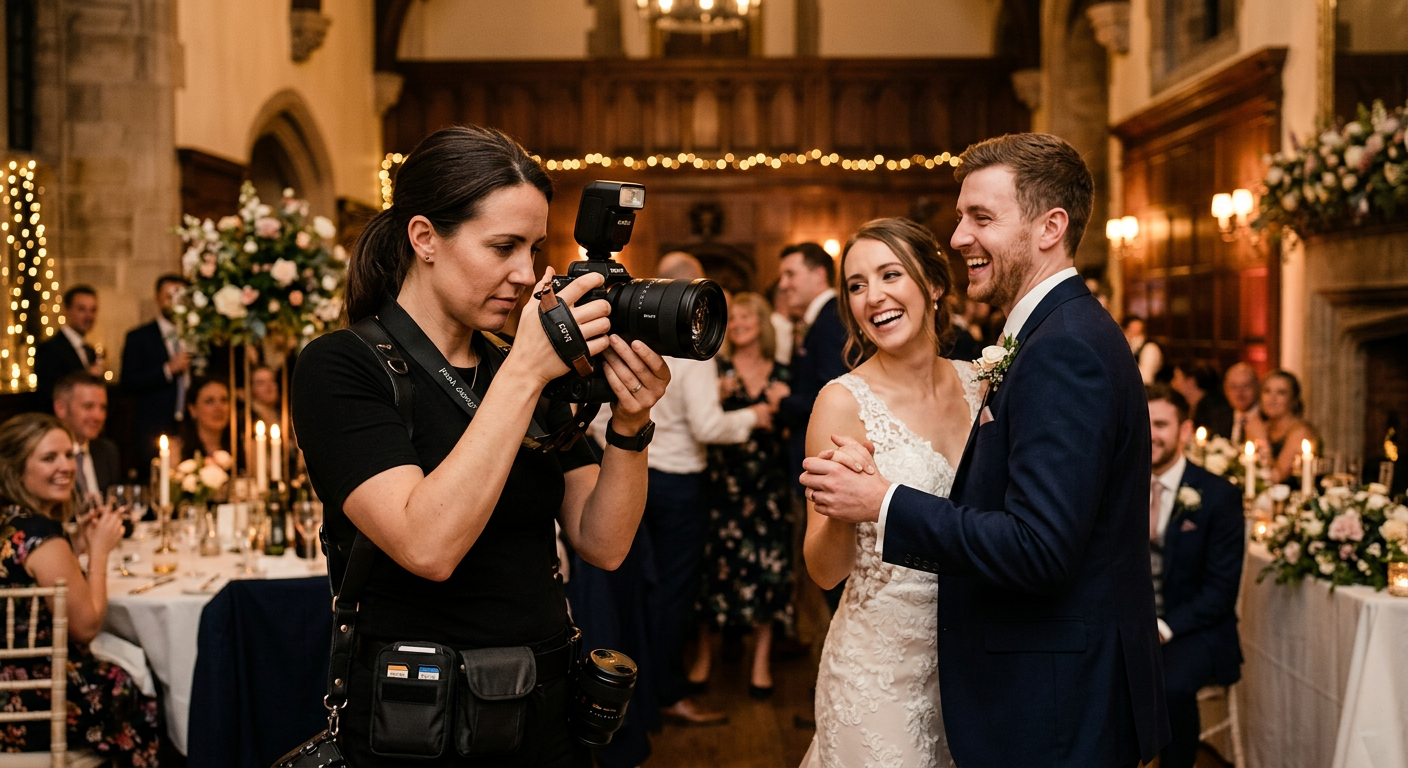
Selecting a wedding photographer is one of the most significant decisions a couple will make during their planning process. Your chosen professional will be responsible for capturing the fleeting moments, genuine emotions, and intricate details of your special day, transforming them into a visual narrative that will last for generations. Given that these images become the primary record of your celebration, finding the right individual requires more than just a quick look at an online gallery; it demands an understanding of style, technical proficiency, and personality alignment.
Quick Summary
Selecting the right wedding photographer involves evaluating artistic style, technical consistency, and professional reliability to ensure your day is documented accurately. By focusing on portfolio diversity, clear contract terms, and a compatible personality, couples can secure a professional who captures their unique story with high-quality, emotive imagery.
- Evaluate diverse portfolios beyond just highlight reels.
- Verify professional insurance and equipment redundancy.
- Ensure stylistic alignment through full-gallery reviews.
- Confirm legal protections via comprehensive service contracts.
- Prioritise personality fit for natural, relaxed interactions.
Table of Contents
- 1. Assessing Artistic Style and Aesthetic
- 2. Evaluating Full Wedding Galleries
- 3. Confirming Technical Proficiency and Reliability
- 4. Understanding Package Inclusions and Hidden Costs
- 5. Prioritising Personal Rapport and Comfort
- 6. Reviewing Legal Contracts and Insurance Policies
- 7. Considering Post-Production and Delivery Timelines
- FAQ
- Recommended Reads
1. Assessing Artistic Style and Aesthetic
Every wedding photographer possesses a distinct artistic signature, often falling into categories like fine art, documentary, or traditional portraiture. Documentary photographers typically focus on candid, unposed moments, while fine-art photographers may lean towards a more ethereal, polished aesthetic. Understanding these categories is essential for identifying what resonates with your personal vision for the day.
Why It Matters – Real-World Impact: The style you select dictates how the events of your day are framed. If you prefer natural storytelling, a traditional, heavily posed photographer might leave you feeling constrained. Conversely, if you desire classic, formal portraits, a purely candid approach might miss the structured images you expect. Discussing your stylistic preferences early ensures your expectations match the professional’s output, preventing disappointment when the final gallery arrives.
2. Evaluating Full Wedding Galleries
It is common practice for photographers to display only their strongest work on their main website or social media feeds. While these images show the photographer’s technical ceiling, they do not necessarily reflect their ability to manage varying lighting conditions, such as dark reception venues or unpredictable weather. Always request to see at least two or three full, unedited or minimally edited galleries from start to finish.
Why It Matters – Real-World Impact: Viewing a full wedding helps you evaluate consistency. You want to see how the photographer handles the chaotic preparations, the often low-light conditions of an evening wedding DJ and party host set, and the subtle details of the decor. If the quality drops during the evening or in challenging light, you may need to reconsider your choice to avoid gaps in your story.
3. Confirming Technical Proficiency and Reliability
Professional photography is as much about technical skill as it is about artistic vision. A seasoned wedding photographer will have deep knowledge of exposure, framing, and equipment handling. Beyond the gear itself, reliability is paramount – including having backup cameras, lenses, and flash systems on hand, as well as a strategy for data storage to prevent file loss.
Why It Matters – Real-World Impact: Equipment failure is a statistical inevitability in high-volume events. A professional who shows up with a single camera body and no backup is a major liability. Knowing your photographer has a systematic approach to backing up images on-site and in off-site locations provides essential peace of mind, ensuring that even a technical glitch during the reception cannot destroy your memories.
4. Understanding Package Inclusions and Hidden Costs
Pricing structures in the photography industry can be complex, often hiding additional costs for prints, albums, or travel expenses. When reviewing packages, verify exactly what is included: the number of shooting hours, the number of edited high-resolution images, and the inclusion of secondary shooters. Unlike event hosting services that might operate on a fixed fee, photography packages are often tiered.
Why It Matters – Real-World Impact: Transparency avoids budget surprises. Some photographers charge extra for travel, second shooters, or extensive editing of specific images. Before signing, ensure the contract explicitly lists all inclusions, such as whether high-resolution digital files are included in the base fee or if there are additional licensing costs for printing them yourself.
5. Prioritising Personal Rapport and Comfort
Because your photographer will be by your side for almost every minute of your wedding day, their personality is as important as their portfolio. If you feel uncomfortable or self-conscious in their presence, it will inevitably manifest in your photographs. A great photographer knows how to put you at ease, offering gentle direction without being intrusive.
Why It Matters – Real-World Impact: The best candid shots often come from moments of genuine laughter and relaxation. When you trust your photographer, you are more likely to ignore the camera and interact naturally with your partner and guests. This rapport is often built during pre-wedding consultations or engagement shoots, which act as a trial run for your chemistry on the big day.
6. Reviewing Legal Contracts and Insurance Policies
Never proceed with a booking without a robust, written contract. This document serves as the foundation of your professional relationship, outlining cancellation policies, rescheduling terms, and liability. Furthermore, ensure your chosen photographer carries public liability insurance, which is often a requirement for many professional venues.
Why It Matters – Real-World Impact: A contract protects both parties from ambiguity. It defines what happens if the photographer falls ill, if there is a force majeure event, or if the delivered work does not align with the provided brief. A professional will welcome a thorough review of these terms, as it protects their reputation as much as your investment.
7. Considering Post-Production and Delivery Timelines
Editing is a significant portion of a photographer’s workload, often involving colour correction, retouching, and curation. Ask about the typical turnaround time for your photos and the method of delivery, such as an online gallery or physical media. Understanding this process helps you manage your expectations regarding when you will receive your final collection.
Why It Matters – Real-World Impact: Receiving your photos weeks or months later than expected can be frustrating. A clear timeline ensures you aren’t left wondering when you can share your images with friends and family. It is also helpful to ask about the degree of retouching included – whether they perform light touch-ups on all images or extensive editing on a select few.
FAQ
- How far in advance should I book my photographer? It is advisable to secure your photographer at least 12 to 18 months before your date, especially if your wedding falls during peak season.
- Should I provide a shot list? While a list of formal family group photos is highly recommended, avoid giving a exhaustive shot list for the entire day, as this can stifle your photographer’s creativity and your natural interaction.
- What happens if my photographer is ill on the day? A professional contract should always include a clause regarding emergency backups or a pre-arranged network of trusted photographers to cover the event.