
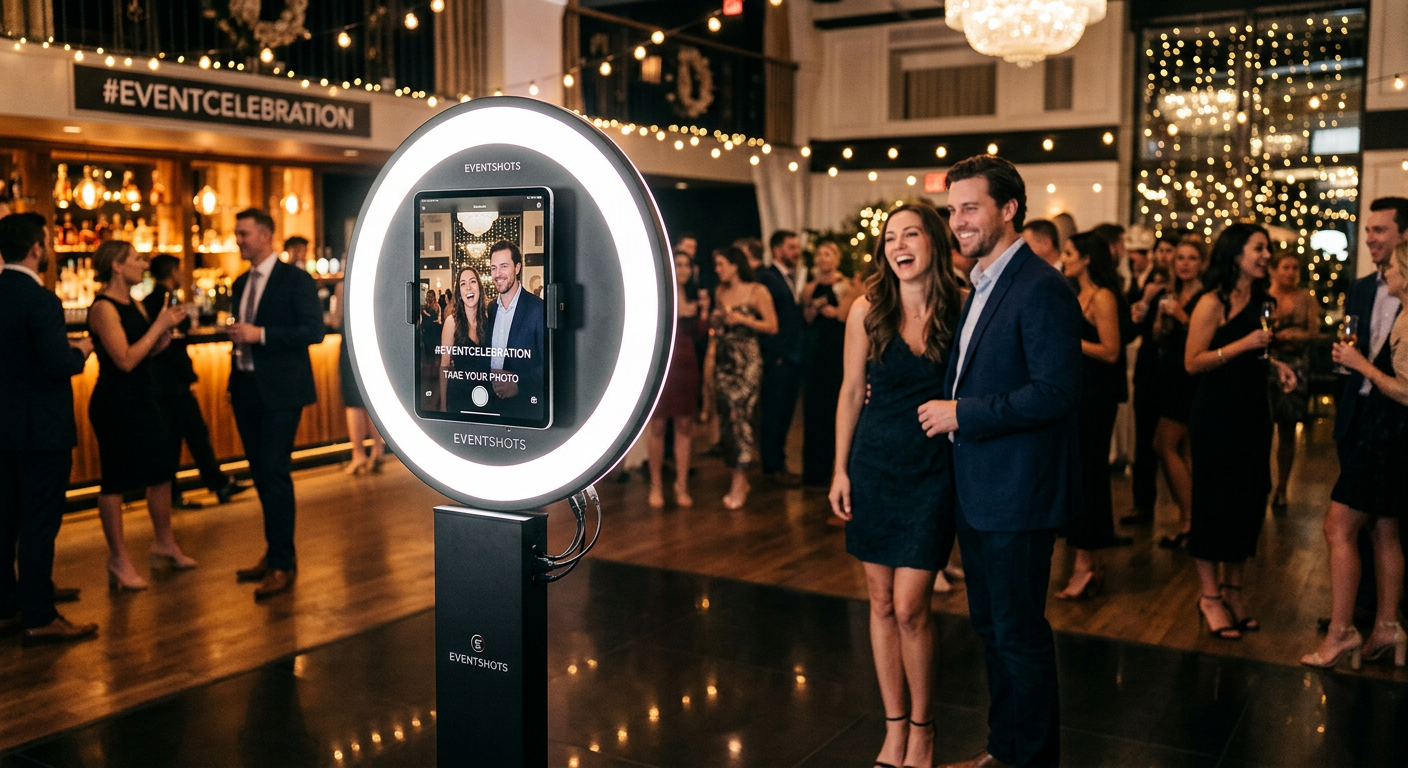
Selecting the right digital platform or photobooth website integration is a critical step in modernising guest entertainment. In 2026, the expectation for event interactivity has shifted beyond static imagery; guests now anticipate seamless social media sharing, augmented reality (AR) overlays, and instant digital delivery. Whether you are coordinating a high-end corporate function or an intimate wedding, the underlying technology driving your photobooth experience defines the quality of engagement and the longevity of the memories captured.
Quick Summary
Choosing the right photobooth website or platform involves prioritising user-interface simplicity, robust social sharing capabilities, and high-quality image processing. The most effective systems balance professional technical performance with intuitive design, ensuring guests can easily capture, customise, and distribute their content during high-traffic moments.
- Instant social media integration and SMS delivery.
- Advanced customisation, including branded overlays and AR filters.
- Reliable cloud storage and backend analytics for organisers.
- Professional-grade lighting and hardware compatibility.
Table of Contents
- Quick Summary
- Table of Contents
- Comparison of Professional Photobooth Platforms
- Digital-First iPad Based Platforms
- Enterprise-Level Automated Photo Systems
- Browser-Based Web Photobooth Services
- Critical Features for Photobooth Success
Comparison of Professional Photobooth Platforms
| Feature Category | Pros | Cons | Target Audience |
|---|---|---|---|
| Digital-First iPad Apps | High mobility, intuitive, affordable | Requires tablet hardware, offline limitations | Weddings, private parties |
| Enterprise Software | Unlimited customisation, deep data, stable | High subscription costs, steep learning curve | Corporate events, brand activations |
| Browser-Based Services | No hardware requirements, accessible | Limited offline capability, design constraints | Casual events, virtual gatherings |
Digital-First iPad Based Platforms
Digital-first iPad platforms have revolutionised event entertainment by removing the need for bulky, traditional enclosures. These systems rely on advanced software that transforms a standard tablet into a high-powered creative station. They are particularly popular for events where space is at a premium, allowing for sleek setups that integrate perfectly with event enhancements like professional lighting or stylish backdrop stands.
These platforms often feature ‘selfie-pod’ functionality, which facilitates a more organic guest experience. By focusing on touch-screen interaction, guests can edit their own photos with virtual props, filters, or branded frames before sending them directly to their devices. For those seeking a streamlined experience, exploring selfiepod options provides a clearer picture of how hardware and software parity ensures smooth operation throughout an event.
Pros:
– Extremely portable and easy to set up.
– High-resolution front-facing camera integration.
– Rapid deployment of social media sharing tools.
Cons:
– Dependent on battery life and tablet performance.
– Potential for screen glare in brightly lit environments.
Enterprise-Level Automated Photo Systems
For large-scale corporate functions or professional event organisers, enterprise-level photobooth software offers an unmatched depth of control. Unlike basic applications, these systems are designed to manage high-volume throughput without crashing or losing data. They include sophisticated backends that allow for detailed analytics, such as email capture, engagement metrics, and custom CRM integration, which are vital for brands measuring the ROI of their activation.
These platforms also support advanced features such as green-screen technology and 360-degree video capture, which can significantly elevate the impact of weddings or product launches. Because they operate as a closed-loop system, they ensure consistent branding across every touchpoint, from the initial interface screen to the final digital delivery email or text message.
Pros:
– Unrivalled stability during high-traffic periods.
– Extensive branding and customisation capabilities.
– Robust data collection and real-time reporting.
Cons:
– Expensive monthly licensing fees.
– Requires technical expertise for initial configuration.
Browser-Based Web Photobooth Services
Browser-based solutions cater to events that prefer a ‘bring your own device’ (BYOD) approach. By simply scanning a QR code, guests are directed to a dedicated photobooth website that leverages their own smartphone cameras to capture and process images. This approach eliminates the need for expensive hardware on-site while maintaining a cohesive look and feel via a branded landing page.
This category is ideal for remote teams or hybrid events where physical equipment is impractical. While they lack the professional lighting and steady camera mounts of physical booths, they are incredibly efficient for gathering user-generated content from a diverse group of people spread across multiple locations. They serve as a lightweight alternative for events focused primarily on guest interaction rather than high-end photographic production.
Pros:
– No physical booth or hardware necessary.
– Scalable to infinite guest counts.
– Extremely cost-effective for large groups.
Cons:
– Subject to the quality of the guest’s mobile device camera.
– Lower perceived ‘event value’ compared to professional stations.
Critical Features for Photobooth Success
When evaluating any photobooth platform, the quality of the ‘guest journey’ is paramount. The software must be intuitive enough that a guest understands how to interact with it within seconds. Look for platforms that offer automated ‘start’ screens and simple, clear instructions. If the process is too complex, engagement rates will plummet, regardless of the features available.
Furthermore, prioritise platforms that offer instant sharing. In the modern era, the value of the photo is tied to the ability to share it immediately. Ensure your selected software integrates with major social platforms and provides reliable SMS or email delivery. If you are hiring professional services, you can often clarify these technical specifications during FAQs sessions or pre-event consultations to ensure your requirements align with their technological capabilities.
Pingback: How to Build a High-Converting Photobooth Website in 2026 – JP the DJ