
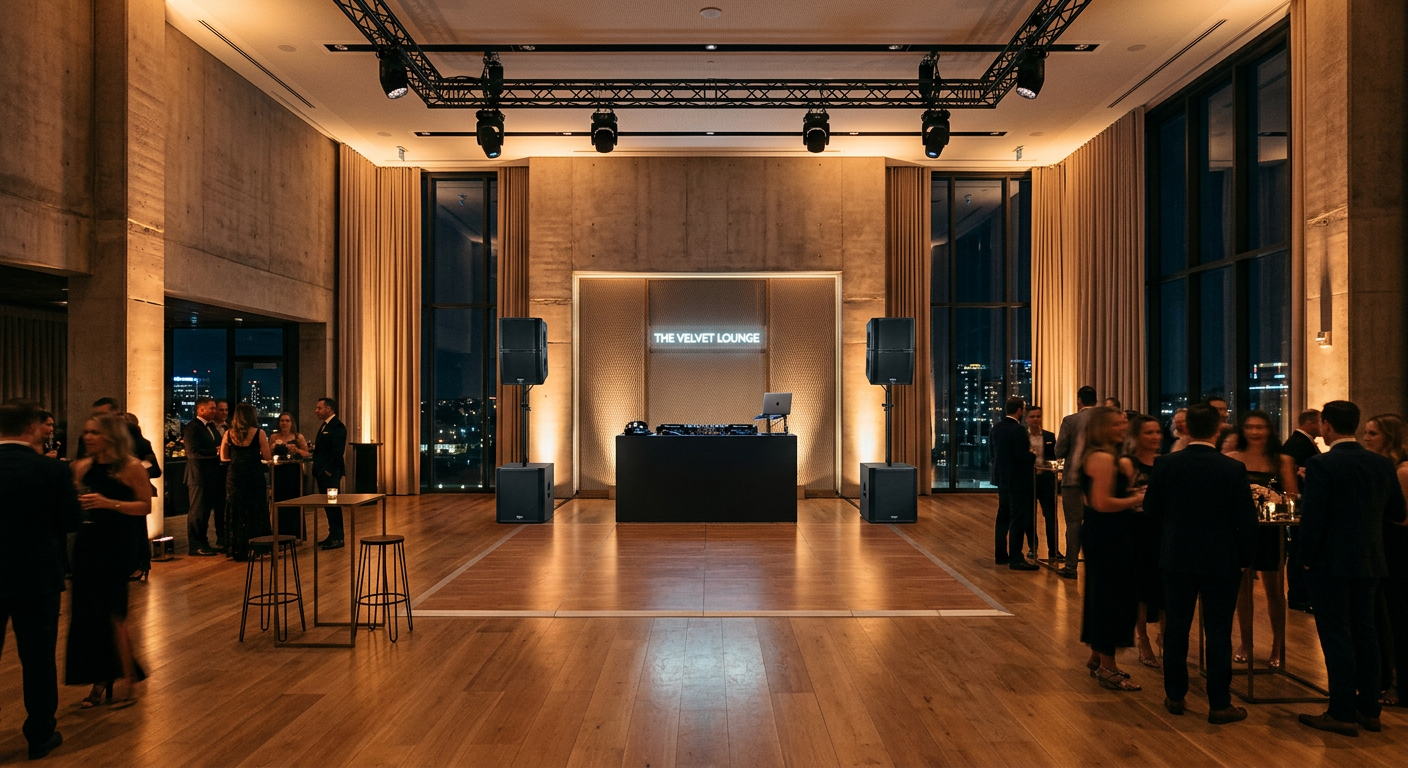
Planning a successful gathering requires more than just a venue and a guest list; it demands the seamless integration of technical production and professional support services. Mastering the nuances of event hire ensures that your requirements are met without the stress of last-minute technical failures or logistical oversights. By focusing on professional standards, you can elevate a standard party into a truly memorable occasion.
Quick Summary
Professional event hire involves sourcing high-quality technical equipment and services, such as sound, lighting, and interactive entertainment, to meet specific function requirements. Success depends on clear communication, vetting supplier credentials, and ensuring all services align with venue health and safety policies to maintain a seamless, high-impact atmosphere.
- Prioritise certified, insured suppliers to mitigate operational risks.
- Define your technical requirements early, including power and space needs.
- Conduct site visits to ensure equipment layouts are viable and safe.
- Focus on integrated solutions rather than fragmented, DIY hires.
Table of Contents
- Quick Summary
- Defining Your Event Requirements
- Vetting Suppliers and Equipment Standards
- Navigating Venue Logistics and Safety
- Managing Costs and Contractual Expectations
- Common Pitfalls and Troubleshooting
- Frequently Asked Questions
- Recommended Reads
Defining Your Event Requirements
Before engaging in any professional event hire, you must establish a clear technical brief. This involves auditing the size of your space, the expected guest count, and the atmosphere you wish to curate. A common mistake is assuming that all equipment is universal; in reality, the PA system required for a speeches-heavy corporate meeting differs significantly from the high-fidelity sound systems needed for a wedding dance floor. Understanding these distinctions early prevents you from paying for equipment that does not serve your specific goals.
Consider the multi-sensory aspects of your event. If you are organising a celebration, consider whether you require event hosting services to bridge the gap between formalities and entertainment. Beyond audio, think about the visual impact. Uplighting can dramatically transform a room, while confetti cannons provide a specific, high-energy peak to an evening. By itemising these needs, you create a structured plan that allows providers to offer tailored packages rather than generic rental inventories.
Vetting Suppliers and Equipment Standards
Not all equipment is maintained to the same standard. When you choose professional event hire, you are paying for reliability and peace of mind as much as the hardware itself. Verify that the supplier is fully insured, ideally with significant public liability coverage, and that all electrical equipment has passed Portable Appliance Testing (PAT). A reputable provider will never hesitate to present these documents, as they form the backbone of safe industry practice.
Beyond safety, evaluate the aesthetic and technical quality of the gear. Modern, well-maintained equipment is less likely to suffer from technical glitches during a pivotal moment. If you are interested in guest interaction, platforms like an audioguestbook must be tested for sound clarity, while digital photo solutions, such as a selfiepod, require stable software and adequate lighting to function well in varying venue environments. Always prioritise suppliers who treat their equipment as a professional asset rather than mere rental stock.
Navigating Venue Logistics and Safety
Every venue has unique physical constraints that can dictate the feasibility of your event hire choices. Ceiling height, power supply locations, and access routes for loading in heavy equipment are critical variables. It is often beneficial to consult with your venue manager before finalising your bookings to confirm that your selected supplier has the necessary clearance to operate within the building’s specific rules, particularly regarding fire safety and noise limits.
Pro Tip: Always request a site visit with your key suppliers. Seeing the room layout in person allows them to identify potential bottlenecks or power limitations that would not be apparent on a floor plan. This collaborative approach ensures the setup is both visually perfect and operationally secure.
Coordination is vital. Ensure that the timing of the delivery, setup, and teardown aligns with the venue’s schedule. Many venues require specific insurance documentation from contractors before they are permitted on-site. By handling these administrative details early, you ensure that the event flow remains uninterrupted by logistical friction or last-minute confusion at the service entrance.
Managing Costs and Contractual Expectations
Transparent pricing is a hallmark of professional weddings and corporate event planning. When receiving quotes, clarify whether fees are flat-rate or hourly, as hidden costs such as travel, setup time, or additional overtime charges can accumulate quickly. A fixed-fee structure for a full event service often provides better value and budget certainty than an hourly rate that may fluctuate if your event runs behind schedule.
Review every contract for cancellation policies and contingency plans. If a core piece of equipment malfunctions or a staff member is unable to attend, what is the protocol? High-level professionals will have redundant gear on hand and clear backup procedures. Always ensure that the scope of work is documented in writing to avoid ambiguity regarding what is included, such as whether a microphone for speeches is part of the base package or a supplementary item.
Common Pitfalls and Troubleshooting
One of the most frequent errors is the “DIY trap,” where clients attempt to manage complex technical equipment without professional oversight. While it might seem cost-effective, technical issues in the middle of a speech or a dance floor session can be disastrous. Always engage a professional operator who understands how to troubleshoot issues in real-time, such as feedback loops in audio or connectivity drops in lighting systems.
Another pitfall is poor communication regarding the running order. If the team responsible for wedding DJ vs wedding band transitions or music cues is not synced with the event planner, even the best equipment will fail to deliver a cohesive experience. Establish a clear, written plan that outlines every transition point. If problems arise, maintain a calm, methodical approach, and rely on the contingency plans that you negotiated during the booking stage.
Frequently Asked Questions
What should I look for in an event hire agreement?
Look for clear dates, specific itemised equipment lists, total cost including delivery, cancellation terms, and proof of public liability insurance. Everything should be in writing.
Is it better to bundle services or source items separately?
Bundling with a single, professional provider is generally safer and more efficient. It ensures that the equipment is compatible and that there is a single point of responsibility for technical setup.
How far in advance should I book professional event services?
For popular dates and wedding seasons, you should aim to secure your primary event services at least 12 months in advance to ensure availability.
What is the most important factor in event audio quality?
Proper room acoustics and correct equipment placement. A professional will know how to position speakers to avoid echoes and ensure sound is balanced across the entire venue.

Pingback: The Mechanics of Professional Event Management for Large Gatherings in 2026 – JP the DJ