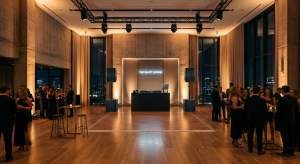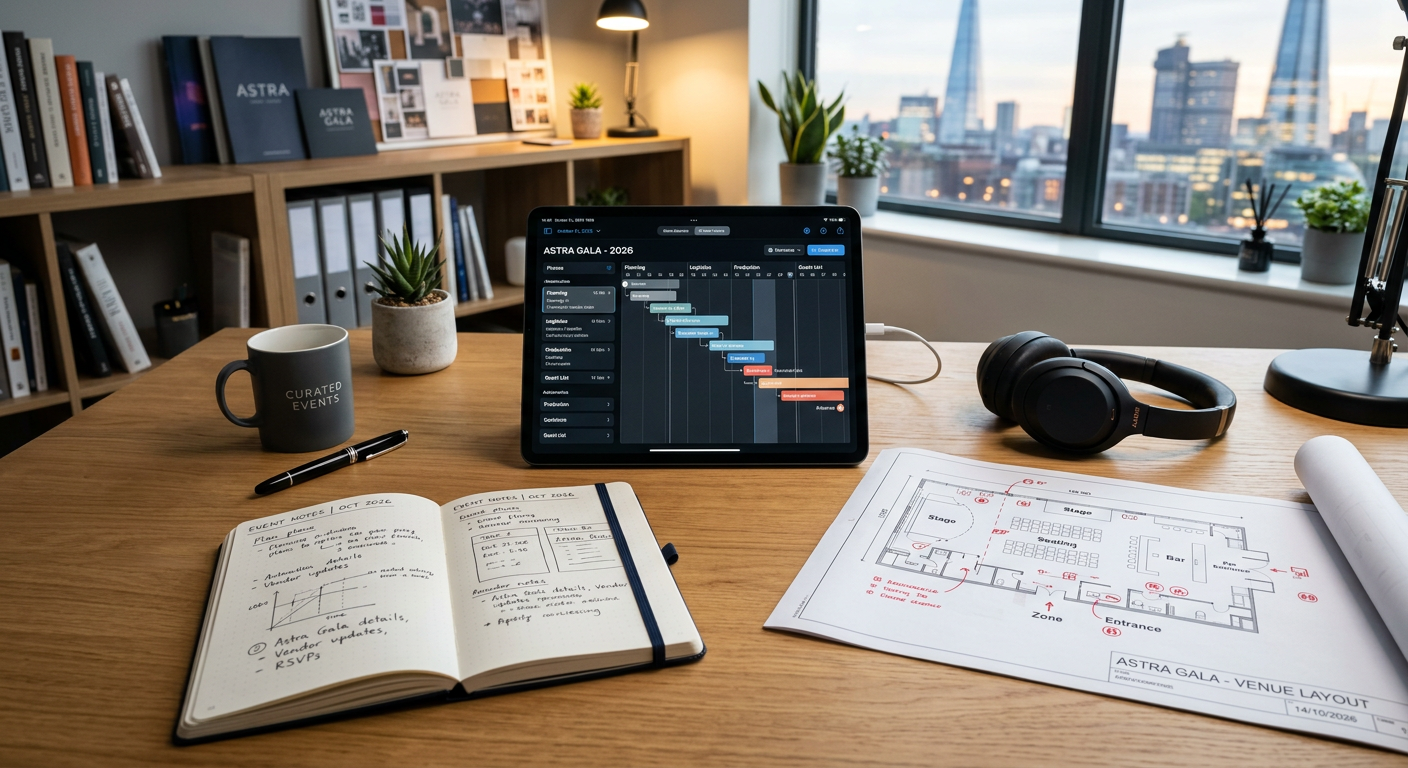
Planning a high-impact gathering requires a methodical approach that balances creative vision with rigorous logistical oversight. Whether you are coordinating a large-scale corporate function or a sophisticated private celebration, effective event management relies on a structured framework to ensure that every technical and atmospheric element aligns with your primary objectives. By mastering the fundamental pillars of organisation, you can transform complex requirements into a seamless, memorable experience.
Quick Summary
Successful event management involves the systematic planning, coordination, and execution of a gathering to meet specific goals and guest expectations. It requires meticulous attention to detail regarding venue selection, vendor communication, technical requirements, and contingency planning to ensure a professional and stress-free environment for all attendees.
- Define clear objectives and a realistic budget early in the process.
- Secure reliable vendors and technical support to maintain high standards.
- Develop a comprehensive run-sheet to keep the event timeline on track.
- Implement robust contingency plans for potential technical or logistical failures.
Table of Contents
- Quick Summary
- Strategic Planning and Budgeting
- Vendor Coordination and Technical Requirements
- The Execution Phase
- Common Pitfalls and Troubleshooting
- FAQ
- Recommended Reads
Strategic Planning and Budgeting
The foundation of any successful project lies in the initial scoping phase. Before booking venues or sourcing equipment, it is vital to establish a clear vision for the event. This involves identifying the target audience, the desired atmosphere, and the specific outcomes you hope to achieve. By defining these parameters early, you avoid scope creep and ensure that every pound spent contributes to the overall success of the gathering.
Budgeting must be treated as a dynamic document rather than a static list. Factor in non-negotiable costs such as venue hire, insurance, and professional fees first, then allocate a contingency fund of at least 15% for unexpected expenses. For those navigating the complexities of event management, maintaining a transparent spreadsheet of committed versus projected costs is essential for keeping stakeholders informed throughout the planning lifecycle.
Vendor Coordination and Technical Requirements
Selecting the right partners is the difference between a functional gathering and a premium experience. When hiring specialists – such as professional wedding DJ and party host services or audio technicians – prioritise those who offer verified safety certifications like PAT (Portable Appliance Testing) and comprehensive public liability insurance. These credentials not only guarantee a professional standard but also safeguard the venue and the host against avoidable liabilities.
Technical infrastructure, including sound, lighting, and power distribution, must be assessed during the venue walkthrough. Do not assume that existing facility equipment will suffice; often, external specialists bring dedicated hardware, such as confetti cannons or custom uplighting, which requires specific power loads and setup times. Clearly communicate your technical floor plan to all vendors well in advance to prevent operational bottlenecks on the day of the event.
The Execution Phase
On the day of the event, the focus shifts from planning to orchestration. A detailed run-sheet is your most valuable asset during this period. This document should detail every transition, from the arrival of contractors for setup to the final departure of guests. Each block of time should account for potential overruns, ensuring that the schedule remains flexible without sacrificing the flow of the evening.
Communication is critical during live execution. Ensure that key points of contact, including the venue manager and lead technicians, are linked via a consistent channel, such as radio or a dedicated group chat. When managed by a professional wedding DJ or event host, these transitions are often smoothed by experienced coordination, allowing the event to maintain momentum while addressing minor issues behind the scenes.
Common Pitfalls and Troubleshooting
One of the most frequent errors in event management is the failure to account for sound and environmental acoustics. Large, hollow spaces often lead to echo, which can render speeches inaudible; always plan for additional PA systems or professional microphones to ensure clarity. Furthermore, neglecting to perform a full system test during the soundcheck can lead to preventable technical failures during the event.
Another common issue is poor guest flow, particularly during peak transition times like room turnarounds or buffet service. If your event involves significant changes to the floor layout, ensure that your staff is briefed on how to direct traffic effectively. Having a clear, pre-arranged contingency for extreme weather or equipment malfunction will prevent these minor inconveniences from escalating into significant disruptions.
FAQ
-
How far in advance should I start planning a large event?
For major corporate or private events, start at least 9 to 12 months in advance to ensure you secure your preferred venue and top-tier vendors. -
What is the most important element for a successful event?
Clear communication and a detailed timeline are the two most critical factors. When all stakeholders understand the schedule, the event runs significantly smoother. -
Why is public liability insurance important?
It protects you and the venue from costs associated with accidents or damages caused by third-party equipment or service providers during your event. -
How do I manage the atmosphere?
The atmosphere is a combination of lighting, sound levels, and pace. Professional event hosts can manipulate these elements to keep guests engaged throughout the event duration.