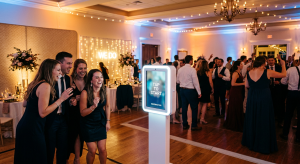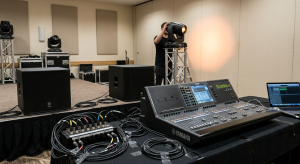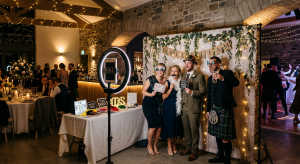
The moment you realise you booked the wrong entertainment hardware usually happens 48 hours before the event, when the venue operations manager asks for the footprint dimensions, power draw, and public liability insurance of your chosen photo booth rental provider. If you assumed every machine runs on a standard plug and fits in a hallway alcove, you might find your expensive hardware relegated to a damp cloakroom because it draws too much power for the heritage venue’s circuit. Evaluating providers requires looking past the digital props and understanding the physical logistics: how the hardware is transported, what the base rate actually covers, and where the mileage fees begin.
Quick Summary
A professional photo booth rental pairs physical camera hardware with instant dye-sublimation printing and venue-appropriate casing. Choosing a provider requires balancing the visual aesthetic of the unit against operational limits like mileage fees, baseline hire durations, and hardware footprint.
- National fleet operators offer fixed prices across wide geographies but use standardised hardware enclosures.
- Regional specialists drop their base rates significantly but penalise distant venues with aggressive mileage fees.
- Boutique artisanal providers prioritise physical aesthetics over output volume, commanding premium rates for shorter hire windows.
- Baseline pricing frequently masks variable travel surcharges and weekday-versus-weekend fluctuations.
Table of Contents
- Evaluating Photo Booth Rental Providers
- How to Choose: The Operational Lens
- 1. BoothHire
- 2. PictureBlast
- 3. CandidCamera
- 4. The Selfie Box
- Matching the Hardware to Your Venue
- Recommended Reads
Evaluating Photo Booth Rental Providers
| Provider | Operational Model | Features | Pros | Cons | Target Audience |
|---|---|---|---|---|---|
| BoothHire | National Fleet Operations | £229 Slimline Pod, unlimited prints, attendant | High-volume reliability, wide geographical reach, distinct pod vs booth options | Standardised physical hardware, fixed 3-hour baseline, generic prop sets | Corporate activations and large-scale venues requiring proven reliability |
| PictureBlast | National Fleet Operations | England/Wales coverage, no travel fees, £349 pods | Zero regional travel penalties, 9-hour extension options, established logistics | Service terminates at the Scottish border, light-up add-ons add expense, rigid promo windows | Planners securing rural English or Welsh venues far from urban centres |
| CandidCamera | Regional Specialists | 10 free miles, £179 baseline, instant prints | Low regional entry price, weekday discounts, 4-hour active service standard | Strict North West focus, 50p/mile penalty beyond 10 miles, regional constraints | Local Lancashire or Cheshire hosts aiming to minimise base hardware costs |
| The Selfie Box | Boutique Artisanal Providers | Handcrafted oak builds, £699 base, Slo Mo options | Premium physical aesthetics, 50-mile travel allowance, distinct guestbook inclusion | High financial barrier to entry, limited 3-hour baseline, heavy physical footprint | Heritage venue coordinators unwilling to compromise on room aesthetics |
How to Choose: The Operational Lens
Evaluating event hardware requires looking beyond the output resolution and examining the commercial structure of the supplier. The physical reality of moving heavy, fragile electronics across the country dictates how a business structures its pricing. We classify providers along one specific axis: their commercial model and reach. This lens separates businesses by how they manage distance and volume, which directly dictates what you will actually pay.
National Fleet Operations manage massive inventories of identical hardware. They treat the country as a single grid, absorbing travel costs by deploying local teams from regional hubs. You should not compare them against highly customised, single-unit operators. They are built for scale, reliability, and predictability, making them the safest choice for standard venue spaces where the appearance of the external casing is secondary to the output.
Regional Specialists focus heavily on a tight geographic radius. Their baseline rates appear artificially low because they strip out the buffer for long-distance transit. Instead of spreading fuel and staff time across a national average, they charge you exactly for the miles driven beyond their doorstep. You should not compare them against national operators for distant events, as their mileage penalties will rapidly destroy any baseline savings.
Boutique Artisanal Providers ignore volume entirely. They build or source highly specific, visually striking hardware – such as solid wood enclosures, vintage campervans, or retrofitted mirrors. Their pricing model assumes low volume and high margin, forcing a premium rate for a shorter active window. You should never compare them against standard pod providers on price; you are paying for venue dressing as much as you are paying for photographs.
Practical rule: Never commit to a baseline package before plotting the exact driving distance from the provider’s warehouse to your venue’s loading bay. A cheap base rate masking a heavy per-mile surcharge will almost always cost more than a flat-rate national provider.
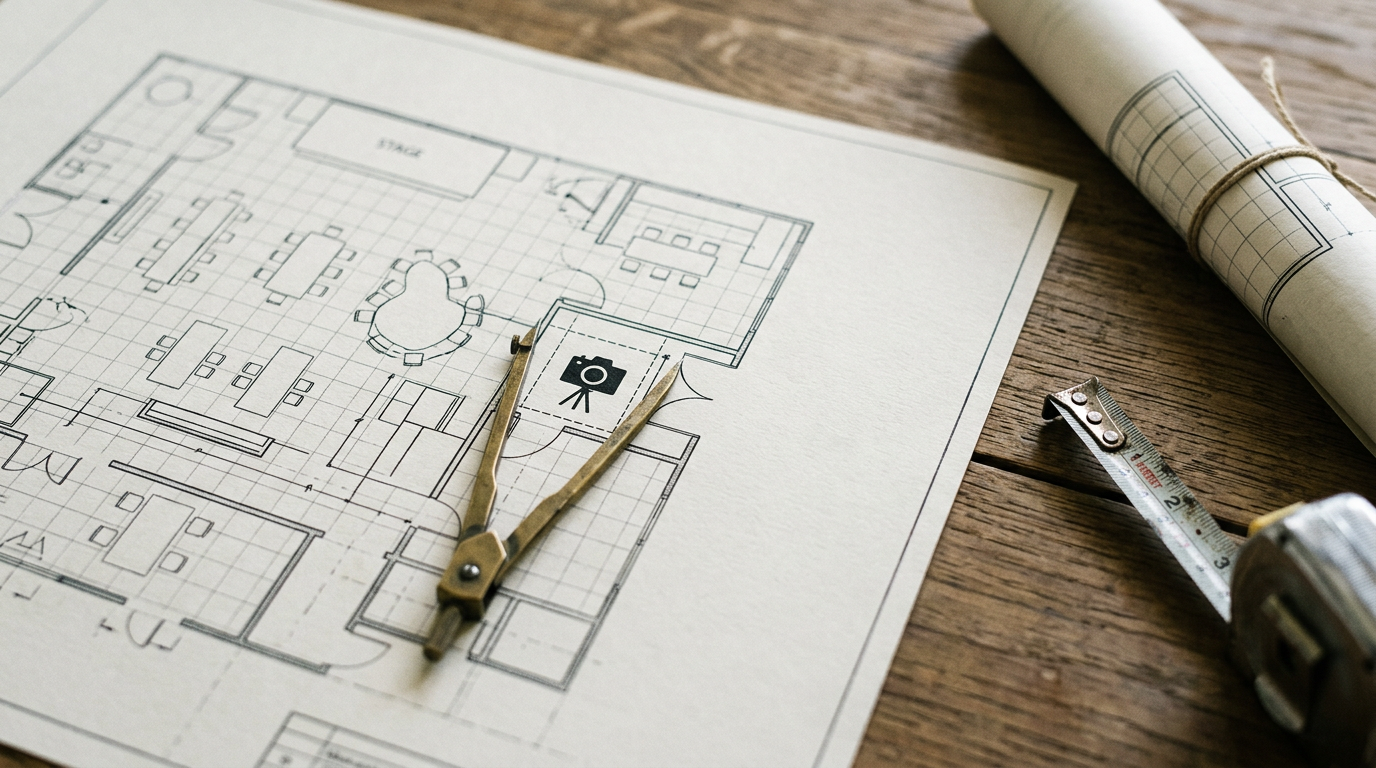
Hardware footprint matters just as much as pricing. An enclosed oval booth requires at least a 2.5-metre by 1.5-metre space, plus room for the attendant and a queue. If your venue limits you to a tight corridor or a small dancefloor alcove, you are structurally constrained to an open-air pod, regardless of which commercial model you prefer. Choosing the right photo booth rental for your event requires measuring the physical space before looking at the digital features.
1. BoothHire
BoothHire operates as a massive logistics engine, moving photographic hardware to parties, weddings, and corporate events right across the UK. Their mechanism relies on deploying highly standardised units to minimise setup complications. They supply a Slimline Pod package starting at £229 for a 3-hour hire, while a fully enclosed Party Booth accommodating up to 10 guests sits at £299 for the same duration. The system uses a dedicated attendant to manage the hardware, ensuring the dye-sublimation printer processes totally unlimited personalised prints without jamming.
This is a textbook example of the National Fleet Operations category, meaning it should not be compared against highly bespoke, handcrafted setups. The company has completed over 4,000 party events since 2014, demonstrating an operational muscle that relies on uniformity. By separating the inventory into distinct physical footprints – the slender pod versus the heavy enclosed booth – they allow event planners to match the hardware to the venue’s available floor space.
Volume operations prioritise consistency over bespoke hardware
When a provider manages thousands of events, the hardware must be resilient, replaceable, and universally understood by every attendant on the roster. The physical enclosures are designed to survive transit and rapid assembly rather than to act as a primary visual centrepiece in a heavily styled room. The output is highly reliable, but the physical shell delivering it is functional rather than artisanal.
The structural limit of this setup is its aesthetic rigidity. Event planners constructing a heavily themed or historically accurate visual environment will find that a standard plastic and metal enclosure breaks the immersion, and the supplied prop selections remain generic rather than tailored to niche themes.
We would book this provider when managing a large corporate activation where hardware reliability and straightforward footprint calculations matter more than vintage visual styling.
Pros
* Clear distinction between pod and enclosed footprint options
* National infrastructure guarantees operational redundancy
* Baseline pricing includes unlimited physical prints
Cons
* Standard 3-hour hire requires strict timeline management
* Physical hardware enclosures lack premium visual styling
* Prop selection prioritises general appeal over specific themes
2. PictureBlast
Operating since 2008, PictureBlast approaches event entertainment through a distributed network of local teams stationed across England and Wales. Their hardware roster separates into distinct tiers: the Selfie Pod is priced at £349 for a 4-hour hire, while the Retro Pod commands £399 for the same duration when booked during promotional windows. The mechanism here relies on absorbing transit logistics entirely; they cover all venues within their operational territory with absolutely no travel charges, removing the variable cost that usually complicates hardware rentals.
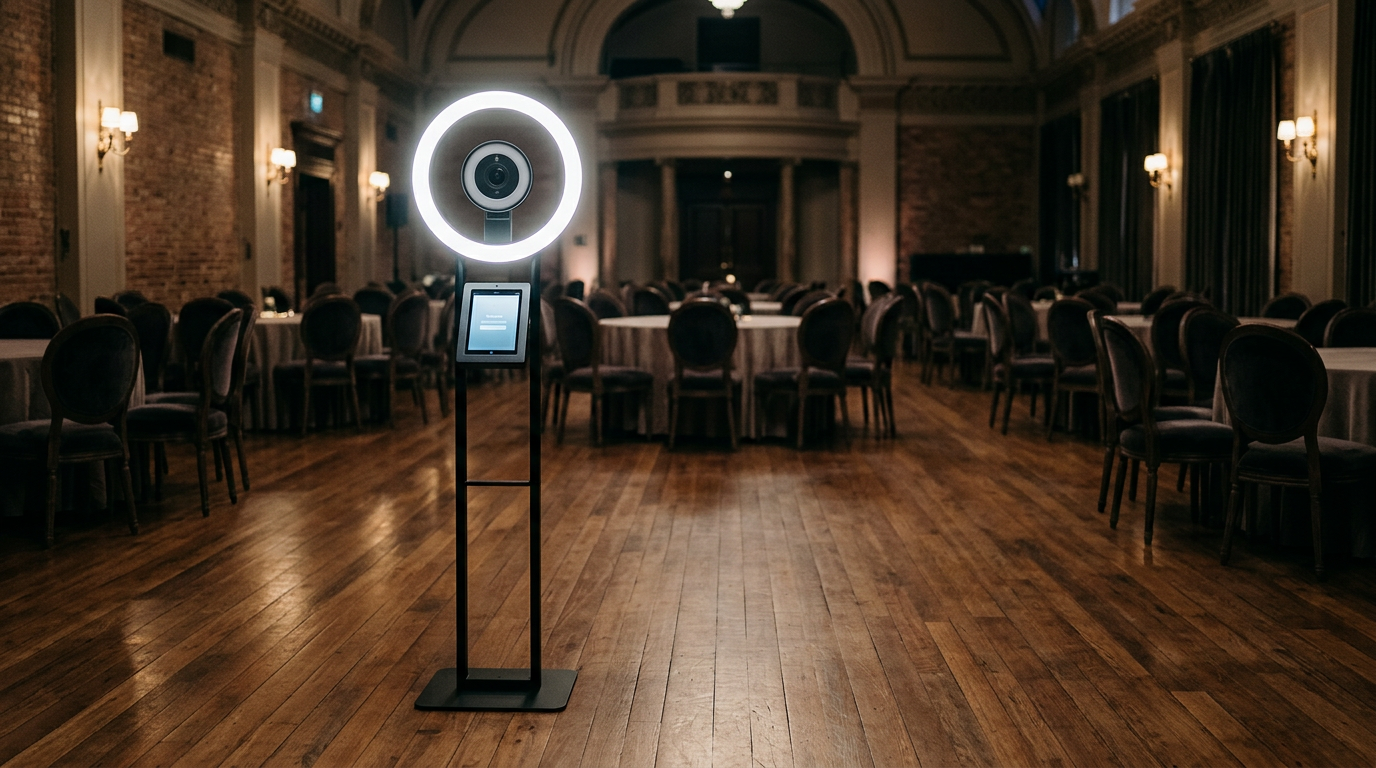
Sitting firmly in the National Fleet Operations category, this infrastructure is built to eradicate regional pricing disparities. They also manage heavy physical add-ons, offering 4-foot light-up LOVE letters for £100. This approach shifts the buyer’s focus from calculating fuel surcharges to managing the actual duration of the event, offering extended 9-hour hire blocks for £499 to cover full-day receptions.
Flat-rate travel structures favour distant venues
Erasing mileage fees changes how you calculate your budget. When a provider refuses to charge for transit, the value of the service increases the further your venue sits from a major urban centre. A rural barn deep in the Welsh countryside costs exactly the same to supply as a city-centre hotel, transferring the logistical financial burden from the client back to the supplier.
Deliveries for this operation simply halt at the Scottish border. Their logistics network is strictly constrained to England and Wales, meaning Northern Scottish venues or Highland retreats are entirely cut off from this specific flat-rate mechanism. Planners operating outside that territory must look elsewhere.
We would deploy this service for isolated rural venues in England where traditional per-mile transit penalties from local suppliers would otherwise double the hardware invoice.
Pros
* Total elimination of variable mileage surcharges
* Extended 9-hour options cover the entire duration of an event
* Heavy physical add-ons available without separate delivery fees
Cons
* Strict territorial boundary excludes Scottish venues entirely
* Base rates sit higher than local providers to absorb fuel costs
* Specific pricing tiers rely on promotional booking windows
3. CandidCamera
CandidCamera treats event entertainment as a strict geographical calculation, focusing its delivery routes specifically on Lancashire, Cumbria, Cheshire, and the wider North West. Their entry point is aggressively low, with photo booth hire packages starting from £179 and Magic Mirror packages from £229. The mechanical setup includes an attendant, instant prints, and unlimited sessions, but the commercial mechanism is heavily tied to the calendar and the odometer: weekday hires from Monday to Thursday are priced lower than weekend slots.
As a prime example of Regional Specialists, this service demands that you calculate your final wedding photobooth cost based on your precise location. Travel is completely free within a tight 10-mile radius of their Poulton-le-Fylde base. Once the delivery vehicle crosses that boundary, a strict charge of 50p per mile each way is activated.
Hyper-local routing creates sharp price drop-offs
When a provider cuts the buffer out of their base rate, the geographical sweet spot becomes incredibly narrow. If your venue sits within the primary delivery zone, the financial efficiency is unmatched. You secure four hours of active service – a longer baseline than many national operators offer – without paying for unused fuel or national marketing overheads.
Practical rule: Calculate a two-way mileage penalty before judging a base price. A 50p per mile charge applied to a 60-mile journey adds £60 to the invoice, rapidly closing the gap between a regional specialist and a national operator.
Distance quickly exposes the vulnerability of this pricing model. The aggressive per-mile surcharge means that booking this hardware for an event outside the North West turns a budget-conscious decision into an expensive logistical error, as the transit penalties compound in both directions.
We would secure this hardware for a mid-week corporate function situated within twenty miles of the provider’s dispatch centre.
Pros
* Exceptionally low financial barrier to entry for local venues
* Standard packages include a robust 4-hour active window
* Clear separation between weekday and weekend commercial rates
Cons
* Mileage penalties erode savings rapidly outside the core zone
* Strict geographical focus leaves outside regions unserviced
* Base rate fluctuates heavily depending on the day of the week
4. The Selfie Box
The Selfie Box operates from Warwickshire, entirely rejecting standard metal and plastic enclosures in favour of handcrafted oak booths. Their core mechanism pairs high-end digital output with premium physical furniture. The standard package sits at £699 for 3 hours of hire, which includes unlimited instant prints, an online gallery, an attendant, and an A4 deluxe guestbook. The system also supports distinct technical upgrades, allowing planners to add a Slo Mo booth capability for an additional £100, or an Audio Guestbook module for £150.
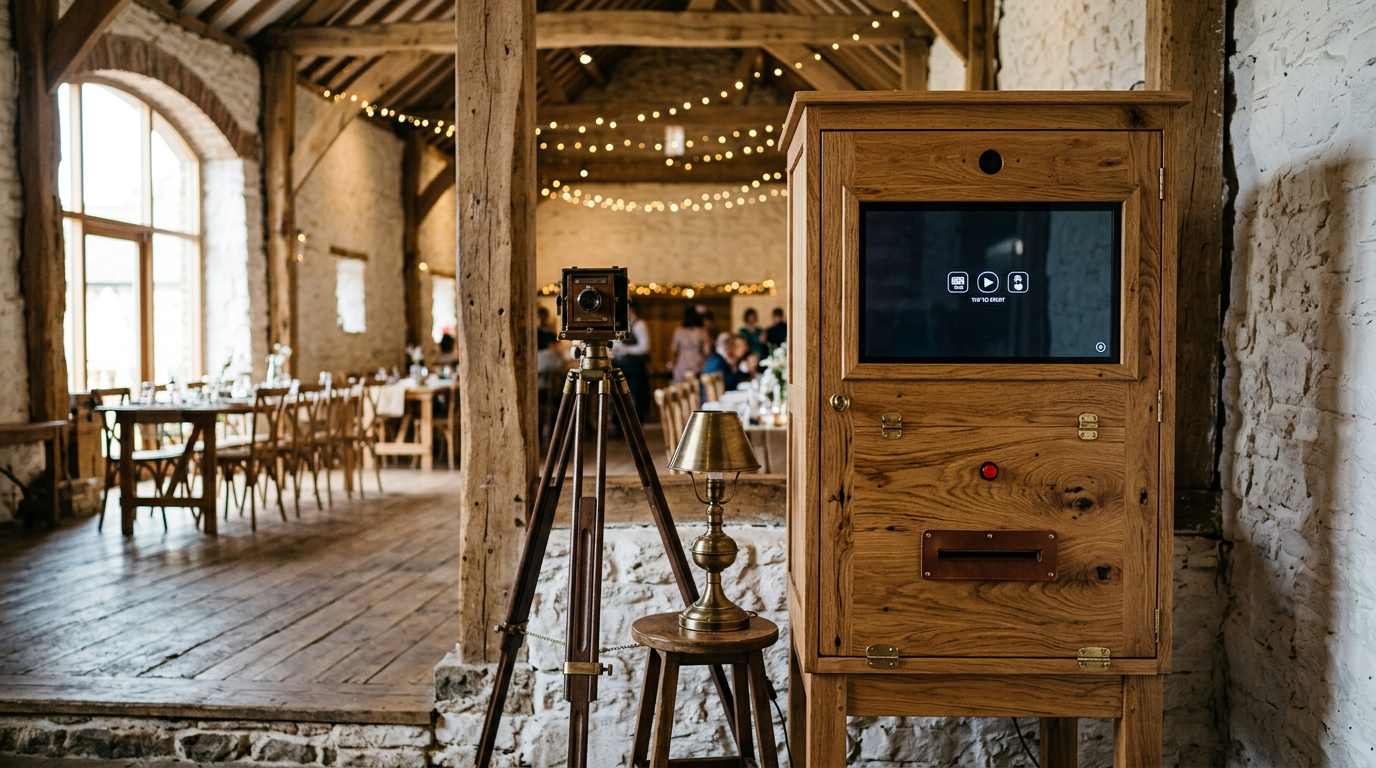
This defines the Boutique Artisanal Providers category, meaning it should not be compared against standard regional operators on a price-per-hour basis. You are renting venue dressing. They manage transit by including standard travel up to 50 miles in the base package, after which a steep £0.65 per mile charge applies.
Physical aesthetic overrides base hire volume
When hardware is built from solid oak, it ceases to be a background utility and becomes a deliberate piece of the venue’s architecture. The commercial model supports this by bundling premium physical deliverables – like the heavy deluxe guestbook – directly into the core rate rather than treating them as optional upgrades. Choosing the best photobooth website and platform features often ignores the physical reality of the hardware, but here the physical shell is the primary selling point.
Active running time is severely restricted relative to the initial cost. At three hours, the base hire window is exceptionally short for the premium paid, leaving planners to either accept a dead unit during the later stages of an evening reception or authorise heavy hourly overtime fees.
We would reserve this provider exclusively for high-budget heritage weddings where modern plastic hardware would severely clash with the interior design.
Pros
* Handcrafted oak enclosures elevate the visual tone of the room
* Generous 50-mile inclusive travel radius covers a wide Midlands area
* Premium physical deliverables like guestbooks are bundled as standard
Cons
* The financial barrier to entry is substantially higher than standard models
* A 3-hour baseline duration struggles to cover a full evening reception
* High per-mile penalties apply aggressively beyond the 50-mile mark
Matching the Hardware to Your Venue
Selecting the right provider requires matching the physical constraints of your event to the commercial structure of the supplier. The hardware you choose must align with your budget, your floor plan, and the geographical isolation of your venue.
If you are managing logistics across multiple regions or operating a venue far from major urban centres, National Fleet Operations are the correct choice. Their ability to absorb travel costs means your budget remains predictable, and their hardware is standardised enough to fit predictably into modern function rooms. You trade bespoke aesthetics for commercial reliability.
When your event sits close to a major regional hub and you want to maximise your active hire time without inflating the budget, Regional Specialists provide the sharpest advantage. By routing heavily within a tight radius, they deliver longer active hours at lower baseline rates, provided you do not force them to cross county lines and trigger heavy mileage penalties.
For events where the visual environment is strictly controlled – such as historic manor houses or highly themed private functions – Boutique Artisanal Providers are mandatory. The premium paid secures hardware that enhances rather than detracts from the room’s aesthetic, serving as both entertainment and architectural dressing.